Not All Plastics Are Created Equal

From water bottles to juice containers, plastic beverage containers are part of our daily lives. In Alberta, we’re committed to ensuring these containers don’t end up in landfills or our environment. Understanding your plastic containers helps ensure they get a second life through recycling.

Types of Plastic Containers Accepted in Alberta:

  • PET Clear (like water and soft drink bottles)
  • HDPE Natural (such as milk jugs)
  • Rigid Plastics (sports drink bottles)
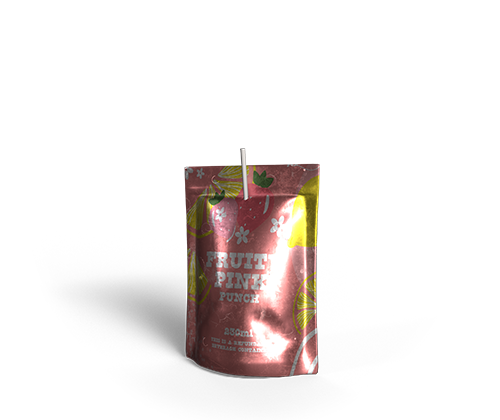
  • Flexible Plastic Containers (drink pouches)
PET (Polyethylene Terephthalate) Clear HDPE (High-Density Polyethylene) Natural
Common Containers
  • Water bottles
  • Soft drink bottles
  • Sports drink bottles
  • Milk jugs
  • Some juice containers
What They Become
  • New food-grade beverage containers
  • Polyester clothing fibers
  • Carpeting
  • Food packaging
  • New non-food containers
  • Plastic lumber
  • Outdoor furniture
  • Recycling bins
Did You Know
  • PET is one of the few plastics that can be recycled back into food-grade containers
  • PET bottles can also become new containers, clothing, or carpeting
  • HDPE natural has different recycling capabilities than colored HDPE
Other Rigid Plastics Flexible Plastics
Common Containers
  • Colored juice bottles
  • Sports drink containers
  • Drink pouches
  • Flexible beverage packaging
What They Become
  • Plastic lumber
  • Park benches
  • Deck materials
  • Fence posts
  • Landscaping materials
  • Composite materials
  • Industrial products
  • Construction materials
Did You Know
  • Rigid plastics can have a second life as durable outdoor products that last decades

Did You Know?

  • A thousand recycled milk jugs can be transformed into a new park bench
  • Clear and colored plastics are processed differently to maintain quality

The Plastics Journey:

  1. Containers are sorted by plastic type using advanced technology
  2. Each type is processed separately to maintain quality
  3. Materials are cleaned and transformed into plastic pellets
  4. Pellets are sold to manufacturers for specific end uses